Physical Address
304 North Cardinal St.
Dorchester Center, MA 02124
Physical Address
304 North Cardinal St.
Dorchester Center, MA 02124

Best Sleep Monitoring Devices (November 2026): 8 picks from EMAY and Withings, from overnight oxygen checks to contactless under-mattress and bedside tracking.

Sleep monitors fail in predictable ways. People buy a wrist-free mattress pad when what they actually want to know is their blood oxygen, or they buy a finger oximeter and then find it tells them nothing about sleep stages. Others pick a band that sits on the arm all night, then stop wearing it after a week. The Best Sleep Monitoring Devices depend on which question you are trying to answer: how long and how well you sleep, whether your breathing or oxygen dips, or whether someone in the house is getting out of bed.
The short answer: the EMAY EMO-90 Sleep Oxygen Monitor suits anyone who needs a downloadable overnight oxygen and heart rate report, the Withings Sleep Tracking Pad suits people who want stage and snoring data with nothing worn on the body, and the Hatch Sleep Clock suits those who want tracking built into a sunrise alarm and sound machine on the nightstand. The rest of the list covers a no-subscription under-sheet sensor, a nasal airflow recorder, an upper-arm band, and two radar and strap-style contactless trackers.
TL;DR: top picks at a glance
- Best overall: the EMAY EMO-90 Sleep Oxygen Monitor, with 72 hours of built-in memory and a free PC and mobile report that includes ODI data.
- Best for under-mattress tracking: Withings Sleep Tracking Pad, a 0.6 lb pad with Wi-Fi and Bluetooth that detects snoring and heart rate.
- Best for a bedside all-in-one: Hatch Sleep Clock, which combines contactless tracking with a sunrise alarm and sound machine in a 5.69-inch unit.
- Best for no monthly fees: OZI Sleep Tracker, a 33.5-inch under-sheet strip that tracks stages, heart rate, breathing and bed exits.
| # | Product | Best for | Worn or placed | Main metrics | Power |
|---|---|---|---|---|---|
| 1 | EMAY EMO-90 Sleep Oxygen Monitor | Overnight oxygen reports | Finger | SpO2 (70% to 100%), heart rate | Rechargeable |
| 2 | Withings Sleep Tracking Pad | Under-mattress tracking | Under mattress | Sleep cycles, heart rate, snoring | Not listed |
| 3 | Hatch Sleep Clock | Nightstand all-in-one | Nightstand | Micro-movements, breathing | Corded electric |
| 4 | OZI Sleep Tracker | No-subscription tracking | Under sheet | Stages, heart rate, breathing, movement | Not listed |
| 5 | EMAY Sleep Breathing Monitor | Airflow event recording | Nose probe and mask | Airflow, AHI, snoring | Not listed |
| 6 | Garmin Index Sleep Monitor | Recovery-focused athletes | Upper arm | Sleep score, stages, HRV | Up to 7 nights |
| 7 | SOMNDEEP Radar Sleep Monitor | Family trend viewing | Bedside | Duration, restlessness, movement trends | Not listed |
| 8 | KEULEN Smart Sleep Analyzer | Strap-style stage tracking | Sensor strap | Stages, heart rate, HRV, turnovers | Not listed |

Pros:
Cons:
Best for: A reader who wants second-by-second overnight oxygen and heart rate data to review or share with a doctor.
Check current price on Amazon →
The EMAY EMO-90 Sleep Oxygen Monitor is different from most of this list because it measures one thing and reports it in detail. Continuous mode records second by second, and the free software exports that data as CSV or as a formatted report. The Withings Sleep Tracking Pad and OZI Sleep Tracker describe the shape of a night, while this device shows what blood oxygen did during it.
The spot-check mode is a practical extra, since the same unit works as a quick daytime reading without logging anything. Anyone who collects paper records alongside this digital report may also want a document scanner to keep the whole file in one place. Buyers generally describe the readings and reports as useful and the interface as easy to use.
It is the wrong choice if you want stage-by-stage sleep analysis or do not like anything clipped to a finger. In that case the Withings Sleep Tracking Pad or the Garmin Index Sleep Monitor fits better. If the concern is airflow rather than oxygen, the EMAY Sleep Breathing Monitor records a different signal.

Pros:
Cons:
Best for: A solo sleeper who wants stage and snoring data with no wearable and is comfortable with an app-based setup.
Check current price on Amazon →
The Withings Sleep Tracking Pad is the most established contactless tracker here. It was positioned as the first under-mattress sleep sensor, and the concept is still the template that the OZI Sleep Tracker follows with an under-sheet strip. Where Withings differs is the combination of snoring detection and cardiovascular measurement from a single pad.
Setup quality is where buyers split. When the connection holds, people say it helps them understand their nights. When it does not, the complaints are about Wi-Fi and Bluetooth pairing. If a stable connection matters to you, the Hatch Sleep Clock offers the same two radios but lives on a nightstand where it is easier to troubleshoot.
Skip it if you want oxygen data, which only the EMAY EMO-90 Sleep Oxygen Monitor and the Garmin Index Sleep Monitor provide here. It is also the wrong pick for a bed where you cannot place a pad under the mattress, such as some adjustable or platform bases. The Hatch Sleep Clock avoids that constraint entirely.

Pros:
Cons:
Best for: A sleeper who wants a calmer wake-up routine and light tracking, and who dislikes wearing a band or watch.
Check current price on Amazon →
The Hatch Sleep Clock is a sleep environment product that also tracks, which is the opposite emphasis from the Withings Sleep Tracking Pad. It gives guidance rather than a score, with morning insights and suggestions tailored to the patterns it sees. It also comes in Greige alongside the Putty finish.
The tracker side is the weaker half for a few buyers, and the value of the clock, light and sounds is the stronger half. If detailed physiological data is the goal, the OZI Sleep Tracker and Garmin Index Sleep Monitor list more metrics. If a better wake-up is the real goal, nothing else on this list does the sunrise job.
Do not buy it for medical-style questions, since it offers no oxygen or airflow measurement. A reader who wants those should look at the EMAY EMO-90 Sleep Oxygen Monitor or the EMAY Sleep Breathing Monitor instead.

Pros:
Cons:
Best for: A household or caregiver who wants sleep data and bed-exit alerts without a monthly fee.
Check current price on Amazon →
The OZI Sleep Tracker is the clearest answer to the subscription question. Its metrics overlap heavily with the Withings Sleep Tracking Pad, but it adds caregiver-style alerts that Withings does not list. That alert system is what makes it more of a household tool than a solo-sleeper gadget.
It is the wrong choice if you want snoring detection or a built-in alarm, since neither is listed. The Hatch Sleep Clock covers the alarm and the Withings Sleep Tracking Pad covers snoring.

Pros:
Cons:
Best for: A nose breather who wants to record airflow and breathing events at home and bring a report to a clinician.
Check current price on Amazon →
The EMAY Sleep Breathing Monitor is a niche tool and works best alongside the oxygen view from the EMAY EMO-90 Sleep Oxygen Monitor, since each covers what the other cannot. It is the only listed device that places something on the face, so comfort is a real consideration.
Avoid it if you use CPAP or breathe through your mouth at night. The EMAY EMO-90 Sleep Oxygen Monitor or a contactless option such as the Withings Sleep Tracking Pad is the better route in those cases.

Pros:
Cons:
Best for: An athlete or Garmin user who wants HRV and recovery data without wearing a watch to bed.
Check current price on Amazon →
The Garmin Index Sleep Monitor is the only listed device aimed squarely at training recovery. Athletes who pair sleep data with recovery tools, such as a shockwave therapy machine for home use, will find the HRV and sleep score the most relevant outputs. It is also lighter and thinner than it sounds, at 14.2 g and 0.02 inches thick.
It is the wrong pick for anyone who dislikes wearing anything in bed. The Withings Sleep Tracking Pad and OZI Sleep Tracker cover similar stages with no contact at all.

Pros:
Cons:
Best for: A family that wants simple nightly trend visibility for an older relative at home.
Check current price on Amazon →
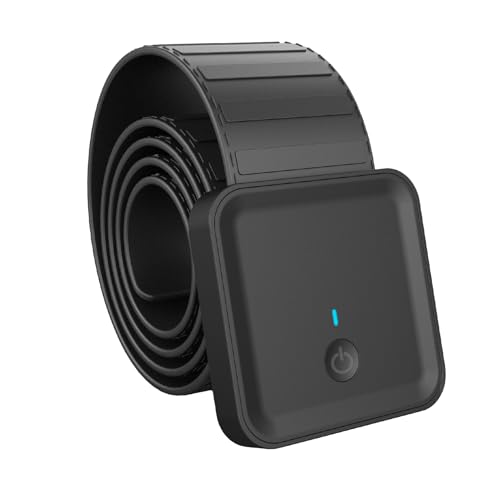
The SOMNDEEP Radar Sleep Monitor leans toward routine and wellness check-ins, not physiological depth. Compared with the OZI Sleep Tracker, it lists fewer physiological metrics but adds the reminder and messaging features.
If you want stage data and heart rate, the OZI Sleep Tracker is the better fit. If you need oxygen, use the EMAY EMO-90 Sleep Oxygen Monitor.
Pros:
Cons:
Best for: A budget-minded buyer who wants stage and turnover data without wearing a device.
Check current price on Amazon →
The KEULEN Smart Sleep Analyzer is a spec-sheet match for the OZI Sleep Tracker, with stages, heart rate and breathing. It is also sold in a second version, listed as B. The gap is documentation: OZI states its size, warranty and alert system, while KEULEN states few details.
Choose the OZI Sleep Tracker if bed-exit alerts or a stated warranty matter. Choose the Withings Sleep Tracking Pad if you want a more established product.
The core trade-off is depth versus convenience. Devices that touch the body, such as the EMAY EMO-90 Sleep Oxygen Monitor and the Garmin Index Sleep Monitor, give vital-sign data, while contactless pads and radar units are easier to live with but estimate more.
Before choosing, check these project details:
A finger clip, an arm band and a nasal mask are the most intrusive options, and each is the EMAY EMO-90 Sleep Oxygen Monitor, Garmin Index Sleep Monitor or EMAY Sleep Breathing Monitor respectively. They get closer to the signal, so they can record things the contactless devices cannot. The trade-off is that fit problems, like a finger clip that slips, ruin a night of data.
Contactless options such as the Withings Sleep Tracking Pad, OZI Sleep Tracker and KEULEN Smart Sleep Analyzer sit under the mattress or sheet. They are far easier to keep using nightly, and the Hatch Sleep Clock and SOMNDEEP Radar Sleep Monitor go further by sitting on a nightstand.
Look at what the report contains, not just what the sensor reads. The EMAY EMO-90 Sleep Oxygen Monitor offers ODI and CSV export, the Garmin Index Sleep Monitor offers HRV and a sleep score, and the Withings Sleep Tracking Pad adds snoring.
A single metric done well often beats a long list of estimates. If you only need to know whether oxygen drops, the EMAY EMO-90 Sleep Oxygen Monitor is simpler than the broad-trend devices such as the SOMNDEEP Radar Sleep Monitor.
Radar and pad sensors do not record images or audio, which sets them apart from a hidden audio recorder with live listening and its very different privacy implications. The SOMNDEEP Radar Sleep Monitor and the OZI Sleep Tracker both stress the no-camera approach.
Shared data is the other privacy question. The SOMNDEEP Radar Sleep Monitor lets family members view trends, and the OZI Sleep Tracker sends alerts, so agree on who sees what before setting either up.
None of these devices diagnoses a condition. The EMAY Sleep Breathing Monitor states plainly that it does not replace a doctor's diagnosis, and the Garmin Index Sleep Monitor and SOMNDEEP Radar Sleep Monitor describe themselves as non-medical.
If you suspect sleep apnea or low oxygen, use a recording device like the EMAY EMO-90 Sleep Oxygen Monitor to gather data, then take the report to a clinician. Treat the contactless devices as habit trackers.
Accuracy depends on the signal. The EMAY EMO-90 Sleep Oxygen Monitor measures oxygen directly at the finger, while the EMAY Sleep Breathing Monitor records airflow directly. Contactless units such as the Withings Sleep Tracking Pad estimate stages from movement and heart signals.
No. The Withings Sleep Tracking Pad, OZI Sleep Tracker and Hatch Sleep Clock all track without anything worn. Wearables such as the Garmin Index Sleep Monitor add HRV and Pulse Ox data in exchange for comfort.
The OZI Sleep Tracker states that it has no monthly subscription. The other listed devices do not highlight subscription terms, so check the app before buying. The EMAY EMO-90 Sleep Oxygen Monitor offers free PC software and an app.
Not on its own. The EMAY Sleep Breathing Monitor records airflow and AHI-style data but says it cannot replace a diagnosis. Take any report from it or the EMAY EMO-90 Sleep Oxygen Monitor to a physician.
The OZI Sleep Tracker lists couples and households among its intended users. The Withings Sleep Tracking Pad sits under the mattress, but whether it separates two sleepers is not specified. Check that before choosing for a shared bed.
Yes, because several options work independently. The Garmin Index Sleep Monitor syncs to the Garmin Connect app without a Garmin watch, and the Hatch Sleep Clock works from the nightstand with a phone app.
Best Sleep Monitoring Devices for most people who want hard numbers start with EMAY EMO-90 Sleep Oxygen Monitor: it records oxygen and heart rate second by second to 72 hours of built-in memory, then exports a report with ODI data. Its main weakness is finger fit, since it can slip during sleep, and it offers no sleep stages.
For stage data without wearing anything, the Withings Sleep Tracking Pad adds snoring and heart rate under the mattress, but connectivity is its weak point. The Hatch Sleep Clock suits those who want a sunrise alarm and sound machine to come with light tracking. The OZI Sleep Tracker is the pick when avoiding monthly fees and getting bed-exit alerts matters most.
The specialist picks are narrower. The EMAY Sleep Breathing Monitor is for nasal airflow recording, the Garmin Index Sleep Monitor for HRV and recovery, the SOMNDEEP Radar Sleep Monitor for family trend viewing, and the KEULEN Smart Sleep Analyzer for stage and turnover tracking with sparse documentation. If you are still undecided, pick the one that measures the single thing you actually want to know, and add a second device only if the first leaves a clear gap.


[…] is not possible, and put one in each sleeping area. If you also want to track sleep at night, a sleep monitoring device can complement the alarms but never replaces […]
[…] 3-in-1 Foldable instead. Anyone building a fuller sleep setup around the nightstand may also add a sleep monitoring device alongside it, though this dock itself does not track […]