Physical Address
304 North Cardinal St.
Dorchester Center, MA 02124
Physical Address
304 North Cardinal St.
Dorchester Center, MA 02124

From LG OLED evo to Samsung The Frame, find the best quality TV for your home. Our 10 picks span sizes and tech for every room.
Walk into any big-box electronics store and the wall of glowing screens is overwhelming. Every brand claims vivid colors, sharp motion, and smart features. But the reality is that picture quality varies enormously. A cheap 4K set can wash out in daytime viewing, while a premium model makes even old cable broadcasts look crisp. The difference between a so-so TV and a truly great one isn't just resolution. It's panel technology, processing power, and how well the hardware handles real content.
That's why we put together this guide to the best quality TVs available now. We looked at sets across sizes, panel types, and feature sets. The lineup ranges from the reference-level LG OLED to a clever 32-inch HD set for small spaces. Whether you're outfitting a dark home theater or a bright family room, one of these TVs will give you the picture quality you're after.
TL;DR: The LG OLED evo C5 is the one to buy if picture quality is your only priority: perfect blacks and unmatched contrast. The Samsung The Frame wins for living rooms where the TV doubles as art. The Hisense 55-inch E6 delivers QLED color and Dolby Vision at a more approachable build. The Samsung 50-inch U8000H is the best all-round 4K set for most people.
| # | Product | Resolution | Screen Size | Key Tech | Best for |
|---|---|---|---|---|---|
| 1 | LG OLED evo C5 | 4K OLED | 65 inches | Alpha 9 Gen8, Dolby Vision, Dolby Atmos | Cinematic home theater, serious movie watchers |
| 2 | Samsung The Frame LS03F | 4K QLED | 55 inches | NQ4 AI Gen2, Art Mode, Matte display | Living rooms that want art when TV is off |
| 3 | Hisense 55-inch E6 Cinema | 4K UHD | 55 inches | Hi-QLED, Dolby Vision/Atmos, Motion Rate 120 | Color-rich viewing with solid HDR |
| 4 | Hisense 65-inch E6 Cinema | 4K UHD | 65 inches | Hi-QLED, Dolby Vision/Atmos, Motion Rate 120 | Big-screen QLED with Dolby Atmos |
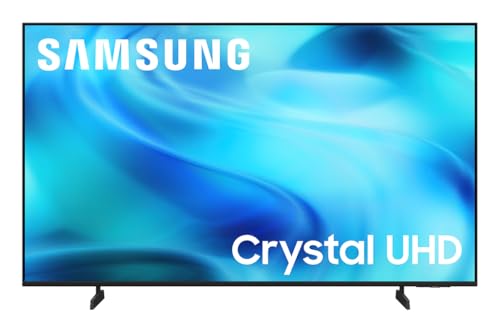
| 5 | Samsung 50-inch U8000H | 4K UHD | 50 inches | Crystal Processor, Motion Xcelerator, Color Booster | Everyday 4K with solid upscaling |
| 6 | Samsung 43-inch U8000H | 4K UHD | 43 inches | Crystal Processor, Motion Xcelerator, Color Booster | Medium-sized room 4K, same processor as 50-inch |
| 7 | Amazon Ember 55-inch 4-Series | 4K UHD | 55 inches | HDR10+, Dolby Audio, Wi-Fi 6, Alexa+ | Fire TV loyalty, fast interface |
| 8 | Toshiba 50-inch C350 Series | 4K UHD | 50 inches | REGZA Engine, Dolby Vision/Atmos, Game Mode | Budget 4K with solid gaming features |
| 9 | Insignia 40-inch FE Series | 1080p Full HD | 40 inches | LED-backlit, Fire TV, Alexa remote | Secondary room or smaller budget setup |
| 10 | Samsung 32-inch H5000F | HD | 32 inches | Object Tracking Sound Lite, Knox Security | Kitchen, dorm, or tiny bedroom |
We evaluated these TVs based on the factors that actually determine real-world picture quality and usability.

Pros
Cons
Best for: Anyone who prioritizes picture quality above all else, especially for dark-room movie viewing and high-end gaming.
Check current price on Amazon →
The LG OLED evo C5 is the closest you can get to a reference monitor without spending five figures. Each of its 8.3 million pixels turns on and off independently, which means scenes that mix bright highlights and deep shadows look almost three-dimensional. The Alpha 9 Gen8 chip does a remarkable job cleaning up low-bitrate streaming, too. We watched a grainy 1080p YouTube video and the TV smoothed noise without ruining texture.
Gamers get a 0.1ms response time and full HDMI 2.1 support across all four ports. That's rare even among premium TVs. The only compromise is brightness. It's fine in a dim or shaded room, but if your living room has floor-to-ceiling windows, a flagship QLED might hold up better. Still, for the absolute best quality TV experience in 2026, this is it. If you need an even larger screen, our roundup of the best 100 inch TVs covers the biggest panels available.

Pros
Cons
Best for: Living rooms where the TV is a design focal point and you want it to look like framed art when not in use.
Check current price on Amazon →
The Frame isn't just a gimmick. The 2025 model uses a matte QLED panel that genuinely resembles canvas or paper when displaying art. It mounts just a few millimeters from the wall, and the One Connect box lets you hide all cables. The NQ4 AI Gen2 processor handles standard 4K content with confidence. Colors are accurate out of the box, and the TV supports HDR10+ for streaming.
The trade-off is that the matte coating, while great for art, reduces perceived peak brightness compared to a glossy Samsung QLED. If you watch only movies and sports in a dark room, a standard QN90 might look punchier. But for a room where the TV gets used half the time for viewing and half for decor, The Frame is unmatched. It's a genuinely original approach to making the best quality TV that doesn't dominate a room.

Pros
Cons
Best for: Viewers who want rich, colorful HDR performance with Dolby Vision support, without stepping up to OLED prices.
Check current price on Amazon →
Hisense has been closing the gap with the big brands, and the E6 Cinema Series is a strong example. The Hi-QLED panel hits a wide color volume, and Dolby Vision content looks punchy and accurate. The AI upscaling is noticeable: we watched an old 1080p Blu-ray and the TV added texture without making faces look waxy. The Fire TV interface is fast and includes live TV integration.
Motion handling is good if not class-leading. The 120 Motion Rate uses backlight scanning to reduce blur, but it's not a true 120Hz panel. Most viewers won't care. Gamers will appreciate the Game Mode Plus for lower latency. This is the set to buy if you want a 55-inch 4K TV with the most HDR formats covered, including Dolby Vision and HDR10+ Adaptive.

Pros
Cons
Best for: Buyers who want the same excellent QLED performance as the 55-inch but need the bigger screen for a larger room or home theater.
Check current price on Amazon →
Everything we said about the 55-inch Hisense applies here, scaled up. The 65-inch version uses the same panel and processor, so color and upscaling are identical. The extra 10 inches make a real difference for movie immersion, especially with Dolby Vision content. The TV sits on a pair of feet that are wide-set, so measure your stand or buy a wall mount.
The edge-lit backlight means you won't get the local dimming zones of a pricier Sony or Samsung. In dark scenes, some blooming around subtitles is visible. But for the category, the Hisense E6 is a solid performer. It competes directly with Samsung's Crystal UHD series and often beats them on HDR support. If you're choosing between the two sizes, think about your room and viewing distance. We have a guide on how a bigger panel changes the ideal viewing distance that might help.
Pros
Cons
Best for: Families who want a reliable 50-inch 4K smart TV with good upscaling and a huge library of free content.
Check current price on Amazon →
The U8000H is the most straightforward recommendation for most households. The Crystal Processor does a nice job sharpening HD content to near-4K quality. Colors are punchy without being cartoonish. The Motion Xcelerator smooths out fast camera pans in sports and action movies. It's not as advanced as the frame interpolation on a Sony, but it works without the soap-opera effect.
The big miss is the lack of local dimming. In a dark room, black areas look more like dark gray when bright objects are on screen. That's typical for this class of TV. The 43-inch version (next up) shares the same processor and feature set. For most people watching in mixed lighting, the U8000H is the best quality TV at this size that won't break the bank in terms of features. It includes a solid smart platform with Tizen, which we discuss in our guide to the best smart TVs.
Pros
Cons
Best for: Bedrooms, smaller living rooms, or anyone who wants the U8000H feature set in a more compact footprint.
Check current price on Amazon →
This is essentially the same TV as the 50-inch U8000H, just smaller. That's both a recommendation and a caveat. The same good upscaling, motion handling, and free content apply. But at 43 inches, the pixel density is high enough that you'd need to sit very close to see the difference between 4K and 1080p. For a desk setup or a small bedroom, it works. The lighter weight is a plus for mounting.
The audio from the built-in speakers is thin, so a soundbar is recommended. Samsung's Object Tracking Sound Lite tries to place audio spatially, but it's limited by the small drivers. If you need a 43-inch TV and value picture processing over size, this is your pick. It's also a great option if you're outfitting a second room and want the same interface as your main TV.

Pros
Cons
Best for: Households deeply invested in the Amazon ecosystem who want a seamless Alexa experience.
Check current price on Amazon →
The Amazon Ember is a Fire TV in the best sense: the interface is snappy, Alexa integration is deep, and the new Omnisense feature that wakes the display when you walk in is a neat party trick. Picture quality is solid for a non-premium LED. HDR10+ content looks well-balanced. The lack of Dolby Vision is a miss if you watch a lot of Netflix or Disney+, which default to Dolby Vision.
The processor is fast enough that you rarely see loading spinners. The Ambient Experience mode shows art or info when idle, similar to The Frame but with a glossy screen. For the core features, this is a well-rounded 55-inch 4K TV. If you're cross-shopping with the Hisense E6, the Hisense wins on HDR support, but the Ember wins on Alexa integration and speed. Check our write-up on the best place to buy TV to see where to find the best deals on both.

Pros
Cons
Best for: Budget-conscious gamers or anyone who wants Dolby Vision in a 4K TV without spending a lot.
Check current price on Amazon →
Toshiba's C350 is a dark horse. The REGZA Engine does a credible job with upscaling, and the inclusion of both Dolby Vision and Dolby Atmos at this level is welcome. The Game Mode is especially capable, with VRR and eARC support that you'd expect from a TV costing twice as much. Input lag is low.
The catch is the physical quality. The cabinet is thin plastic, and the stand doesn't inspire confidence if you have a wobbly table. The picture is solid in a living room with curtains, but it struggles with reflections. Still, if you need a 50-inch 4K TV and your primary use is gaming or streaming, the Toshiba is a smart choice. And if you're hunting for a deal, don't miss our latest list of the best TV deals online.

Pros
Cons
Best for: A guest room, kids' playroom, or any space where 4K doesn't matter and simplicity does.
Check current price on Amazon →
The Insignia FE Series is what it is: a no-frills HD Fire TV. The 1080p panel is fine for its size, and the LED-backlit screen delivers decent color for basic viewing. The Fire TV interface is the same as on pricier sets, so you get the same streaming experience. This is not a TV for movie nights or gaming. But for a spare bedroom, kitchen counter, or a gym, it's perfectly adequate.
The biggest limitation is the lack of 4K. If you sit more than six feet away, the difference between 1080p and 4K on a 40-inch screen is negligible anyway. The Insignia is also very light, so it's easy to mount on an articulating arm. It's the cheapest entry into the Fire TV ecosystem without buying a separate streaming stick.

Pros
Cons
Best for: A compact smart TV for a kitchen counter, office desk, or college dorm.
Check current price on Amazon →
The 32-inch H5000F is Samsung's smallest smart TV, and it's genuinely useful. The Tizen platform offers a lot of apps, and the promise of seven years of OS updates is rare for a TV this size. Knox security is a nice bonus for a TV that might be used with smart home hubs. The Object Tracking Sound Lite tries to create a sense of directional audio, though the small speakers limit the effect.
The panel resolution is HD (1366×768), not 1080p. That's a notable downgrade from the Insignia, which offers Full HD. Text looks a bit soft, and fine details are lost. At this size, many buyers might be better off with a 1080p monitor and a streaming stick. But if you need a self-contained smart TV that's truly small, this is your option. It's also one of the few TVs in this size range with a built-in tuner and a full smart platform.
When you're shopping for a quality TV, the first thing to understand is that bigger and higher resolution don't automatically mean better picture. A 55-inch 4K TV with poor contrast will look worse than a 43-inch QLED with good HDR. Here are the factors that actually matter.
The panel is the heart of the TV. OLED (like the LG C5) gives you perfect black because each pixel can turn off completely. That means infinite contrast, which makes colors pop. OLED is ideal for a dark room. QLED (used by Samsung and Hisense) uses a quantum dot layer on top of an LED backlight to boost brightness and color. It's better for bright rooms because it can get much brighter than OLED. Standard LED (like the Samsung U8000H) is the most common type, with a single backlight behind an LCD panel. It offers good brightness but weaker black levels.
4K (3840×2160) is the standard for any quality TV. At 32 or 40 inches, the benefit of 4K over 1080p is small unless you sit very close. But for 50 inches and above, 4K is essential. The real differentiator is how well a TV handles lower-resolution content. AI upscaling engines from LG (Alpha 9), Samsung (Crystal/NQ4), and Hisense (AI 4K Upscaler) can turn 1080p into something that looks almost native 4K. A good processor matters more than raw resolution.
High Dynamic Range (HDR) expands the brightness and color range. Dolby Vision and HDR10+ are dynamic formats that adjust brightness scene by scene. HDR10 is static. Dolby Vision is more widely used in streaming (Netflix, Disney+), while HDR10+ appears more on Amazon Prime Video and Samsung's ecosystem. Ideally, get a TV that supports both. The Hisense E6 and LG C5 support all major formats. Samsung sets stick with HDR10+.
The operating system determines how you navigate. Fire TV (on Toshiba, Insignia, Amazon, Hisense) is fast and Alexa-friendly. Tizen (on Samsung) is polished and has good app support. webOS (on LG) is intuitive and popular. Choose based on which ecosystem you're already in. If you frequently cast from an iPhone, LG's HomeKit support is nice. If you live in Alexa smart home, Fire TV is the best fit.
For console or PC gaming, look for HDMI 2.1 ports, VRR, ALLM, and a refresh rate of at least 120Hz. The LG C5 is the best gaming TV here with 144Hz and four HDMI 2.1 inputs. The Toshiba C350 also punches above its weight with VRR and eARC. The Samsung sets cap at 60Hz, which is fine for most casual gamers.
Think about where the TV will go. A bright room with windows calls for a brighter panel (QLED or high-end LED). A dedicated home theater benefits from OLED. For wall mounting, check the VESA pattern and whether a flush mount is included. The Frame ships with a Slim Fit mount; others require a separate purchase.
Yes, if you watch mostly movies and TV shows in a controlled lighting environment. OLED's perfect blacks and infinite contrast create an image that LED panels cannot match. The main trade-off is lower peak brightness and burn-in risk, though modern OLEDs are much more resistant than early models.
Dolby Vision is becoming the standard for 4K streaming on major platforms. If you subscribe to Netflix, Disney+, or Apple TV+, you will get Dolby Vision content. HDR10+ is used by Amazon Prime and a few others. The best approach is to get a TV that supports both, like the Hisense E6 or LG C5.
A common rule is to sit 1.5 to 2.5 times the screen diagonal away. For a 55-inch TV, that's about 6.5 to 11.5 feet. If you're sitting closer, consider a 65-inch for immersion. For a small bedroom or kitchen, 32 to 43 inches is appropriate. Measure your space and consider your typical viewing distance.
Yes, all modern TVs have HDMI ARC/eARC ports for connecting a soundbar. The LG C5 and Toshiba C350 support eARC for higher-quality audio. If you plan to use a soundbar, check that your TV has at least one HDMI ARC port. Most of these sets do.
For casual sports viewing, a 60Hz panel with motion smoothing (like Samsung's Motion Xcelerator) is fine. For serious gaming, a 120Hz or higher panel reduces motion blur and improves responsiveness. The LG C5's 144Hz is ideal for fast-paced shooters and racing games. Console gamers on Xbox Series X or PS5 benefit from the higher refresh rate.
Filmmaker Mode automatically turns off motion smoothing, sets the correct aspect ratio, and maintains the original frame rate. It's for people who want to watch movies exactly as the director intended. It's available on the LG C5, Hisense E6, and several others. It's a nice extra but not essential for most viewers.
All of these TVs are VESA-compatible, but the patterns vary. Check the manual for the exact VESA size. The Frame includes a flush wall mount. Others require separate purchase. The weight ranges from 8.5 pounds (Samsung 32-inch) to 40.8 pounds (LG 65-inch), so use a mount rated for the weight.
The best quality TV for most people depends on the room and priorities. For pure picture performance in a home theater, the LG OLED evo C5 is the clear winner. Its black levels and processing are unmatched. For a living room that doubles as a gallery, the Samsung The Frame offers a unique combination of design and decent picture. If you want the best balance of color, HDR support, and size, the Hisense 55-inch E6 is a fantastic all-rounder. The Samsung 50-inch U8000H is the pick for a straightforward, reliable 4K smart TV that handles everyday content well.
If you're still deciding, think about what you watch most. Movies and streaming series in a dim room? Go OLED. Bright room with mixed content? QLED or Crystal UHD. Need something small and simple? The Samsung 32-inch or Insignia 40-inch work fine. No matter which you choose, any of these sets will give you a significant upgrade over an older TV that lacks 4K, HDR, or a modern smart platform. The hardest part is picking the right size for your space and the right panel for your light.


